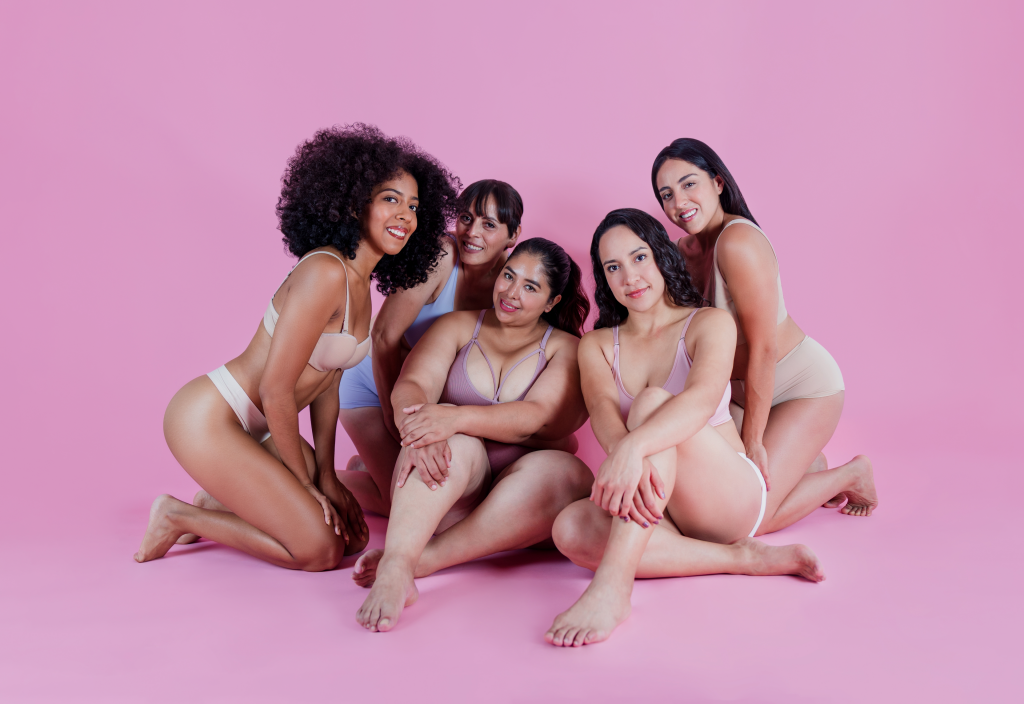
How Facelifts Became a Badge of Honour – And Why More Women Are Embracing Them
For a long time, facelifts were something people kept quiet about. If someone suddenly looked fresher, lifted, or more awake, the polite assumption was that they’d “had a good rest.” But today, things are changing – fast.
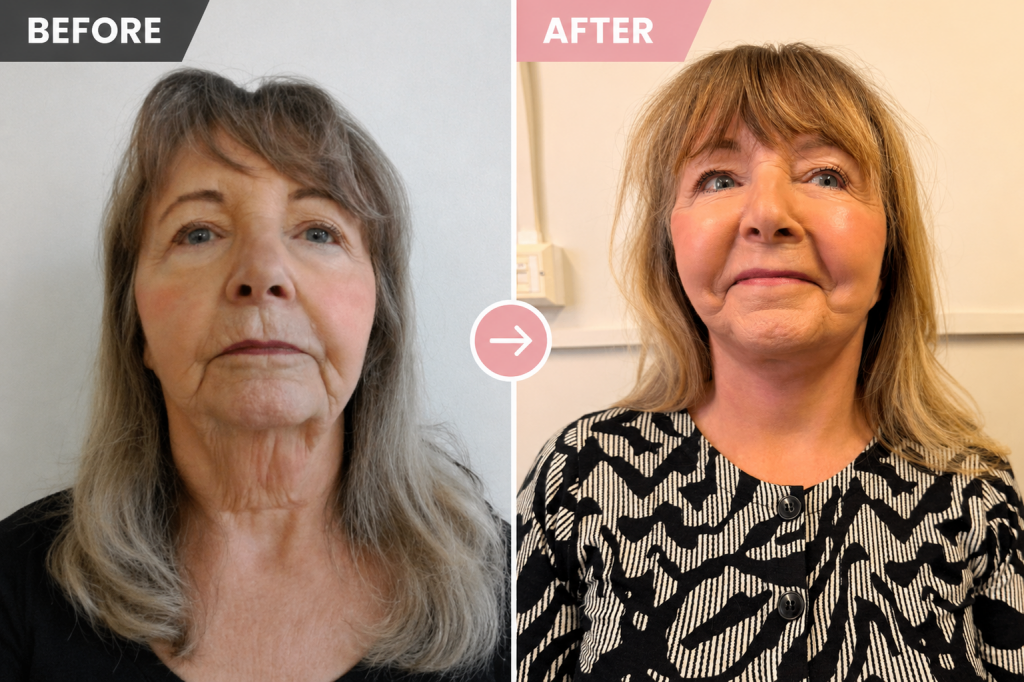
More women are speaking openly and proudly about the procedures that help them feel like themselves again. A recent Telegraph feature highlighted this shift, sharing stories of women who now see their facelift not as something to hide, but as something to celebrate.
And honestly? We’re here for it.
A New Kind of Confidence
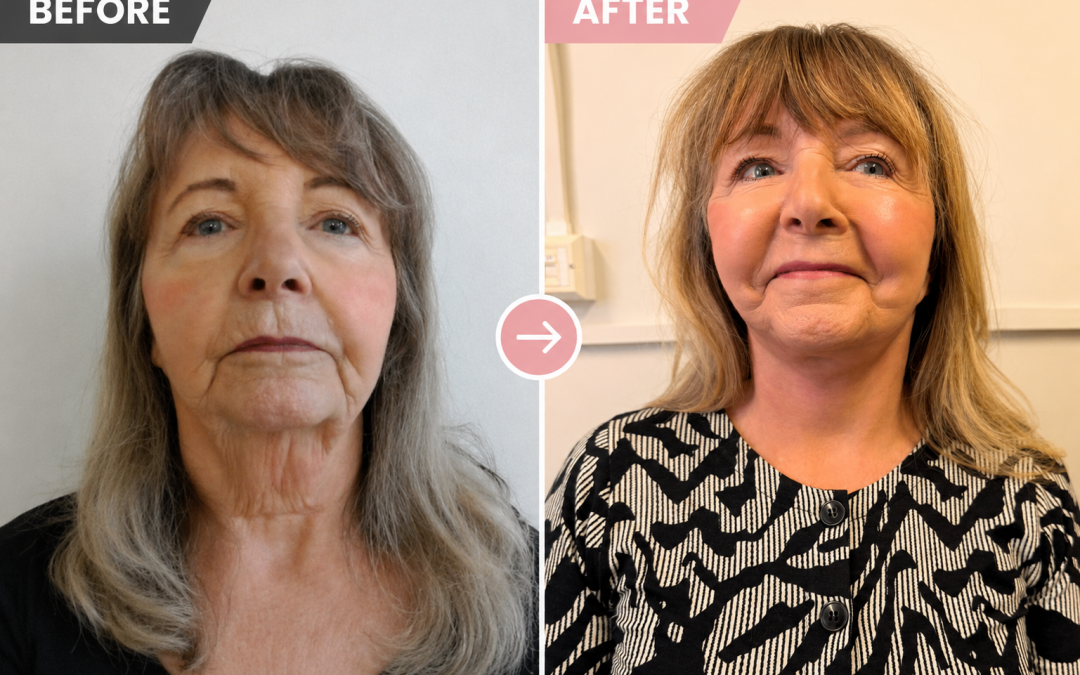
One of the women featured, 64‑year‑old Louise Ellis McCallum, spent decades working as cabin crew – long flights, sun exposure and a busy lifestyle all leaving their mark. She chose to have a deep plane facelift, neck lift, brow lift and upper blepharoplasty, and she’s thrilled with the results.
What’s refreshing is how openly she talks about it. No secrecy, no shame – just honesty and pride in doing something that made her feel good.
She’s part of a growing group of women who are embracing transparency. Comedian Katherine Ryan has openly discussed her facelift and eyelid surgery, even sharing the cost. Actress Denise Richards has shown pre‑surgery markings and bruising online. Ten years ago, this level of openness would have been unheard of.
Today, it’s empowering.
Why Facelifts Are Back in Demand
There are a few reasons facelifts are having a moment:
Techniques are better than ever Modern facelifts work deeper beneath the skin, repositioning the underlying structures for a natural, long‑lasting result. Gone are the days of the “wind‑swept” look. Today’s facelifts are subtle, elegant and restorative.
People want more than tweakments After years of fillers, Botox and skin‑tightening devices, many people reach a point where non‑surgical treatments can only do so much. A facelift offers a more comprehensive, harmonious rejuvenation.
The stigma is fading Talking about cosmetic surgery is becoming as normal as discussing skincare or wellness routines. Social media, celebrity transparency and a cultural shift toward self‑care have all played a part.
Facelifts at Red Rose Desire
At Red Rose Desire, we’ve seen this shift first‑hand. More clients are coming to us not because they want to look “different,” but because they want to look refreshed, lifted and like themselves again.
We offer a range of facelift procedures, including:
Deep plane facelift
Neck lift
Mini facelift
Brow lift
Upper and lower eyelid surgery (blepharoplasty)
Our approach is personal, natural and supportive – with continuity of care from your first consultation through to your aftercare with our dedicated nurse team.
If you’re curious about facelift surgery or simply want to explore your options, we’re always here to talk things through gently and honestly.
A New Era of Openness
Facelifts are no longer something to whisper about. They’re becoming a symbol of confidence, empowerment and taking control of how you want to look and feel.
Whether you choose subtle rejuvenation or a more transformative lift, the most important thing is that it feels right for you.
And if you ever want to explore it, Red Rose Desire is here to support you every step of the way.
Red Rose Desire is delighted to announce the opening of our new cosmetic surgery clinic in Leeds, providing patients across Yorkshire and the North of England with access to expert consultant-led cosmetic surgery.
Leading the clinic is Consultant Plastic, Reconstructive and Aesthetic Surgeon Mr Tarek Eltantawy, a highly qualified specialist known for delivering natural-looking results through advanced surgical techniques.
The Red Rose Desire Leeds clinic offers consultations and cosmetic procedures including facelift surgery, deep plane facelift, rhinoplasty (nose reshaping), eyelid surgery (blepharoplasty), brow lifts, arm lifts, breast reduction and breast uplift procedures.
With a strong focus on patient safety, personalised treatment plans and natural results, the Leeds clinic brings specialist cosmetic surgery closer to patients throughout Leeds, Yorkshire, Manchester and the North of England.
Why Choose Red Rose Desire for Cosmetic Surgery in Leeds?
Choosing the right cosmetic surgeon is one of the most important decisions a patient can make.
At Red Rose Desire Leeds, patients receive consultant-led care from an experienced plastic surgeon with internationally recognised training.
Key benefits include:
✔ Consultations with FRCS Plast qualified Consultant Plastic Surgeon ✔ Advanced techniques including deep plane facelift surgery ✔ Personalised surgical planning ✔ Honest and transparent advice ✔ Professional clinical environment ✔ Comprehensive aftercare support
Our approach is focused on enhancing natural features rather than dramatically altering them, helping patients achieve balanced, refined results.
The Leeds clinic is led by Mr Tarek Eltantawy, a Consultant Plastic, Reconstructive and Aesthetic Surgeon with extensive experience in facial, breast and body surgery.
Mr Eltantawy graduated with honours in Medicine and Surgery from Alexandria University before completing specialist plastic surgery training internationally.
His qualifications include:
MRCS – Membership of the Royal College of Surgeons
FRCS Plast – Fellowship of the Royal College of Surgeons in Plastic Surgery
The FRCS Plast qualification represents one of the highest professional standards in plastic surgery in the United Kingdom.
Mr Eltantawy has also completed advanced fellowships including:
• Microsurgery Fellowship – The Royal London Hospital • Aesthetic Surgery Fellowship – The London Clinic, Harley Street
This training allows him to perform highly specialised cosmetic surgery procedures with precision and attention to detail.
Patients often seek out Mr Eltantawy for his calm approach, clear consultations and commitment to natural-looking surgical outcomes.
Cosmetic Surgery Procedures Available in Leeds
The Red Rose Desire Leeds clinic provides consultations for a wide range of facial, breast and body cosmetic procedures.
Eyelid Surgery (Blepharoplasty)
Blepharoplasty removes excess skin and under-eye bags from the upper or lower eyelids.
Benefits may include:
A more refreshed appearance
Reduction in under-eye bags
Improved eyelid contour
Eyelid surgery is one of the most popular facial rejuvenation procedures performed worldwide.
Facelift and Deep Plane Facelift
Facelift surgery can restore youthful contours to the face and jawline by repositioning deeper facial tissues.
Mr Eltantawy specialises in the Deep Plane Facelift, an advanced technique that lifts deeper structures rather than tightening the skin alone.
Advantages of a deep plane facelift may include:
More natural results
Longer-lasting facial rejuvenation
Improved mid-face and jawline definition
This technique is increasingly recognised as one of the most advanced facelift procedures available today.
Rhinoplasty (Nose Reshaping Surgery)
Rhinoplasty can reshape the nose to improve facial harmony and balance.
Common reasons patients seek rhinoplasty include:
Refining nose shape
Reducing nasal bumps
Improving symmetry
Enhancing facial proportions
Rhinoplasty requires significant surgical skill and careful planning to achieve subtle, natural-looking results.
Breast Surgery
The Leeds clinic offers consultations for a range of breast procedures including:
Breast Reduction
Breast reduction surgery can relieve physical symptoms including back pain, shoulder discomfort and posture problems while improving breast shape.
Breast Uplift (Mastopexy)
Breast uplift surgery restores firmness and contour by lifting and reshaping the breasts.
Breast Enlargement (for appropriate patients)
In suitable cases, breast enlargement procedures may also be discussed during consultation.
Arm Lift Surgery (Brachioplasty)
Arm lift surgery removes excess skin from the upper arms to create a firmer, more defined contour.
This procedure is often sought by patients who have experienced significant weight loss or age-related skin laxity.
A Patient-Focused Cosmetic Surgery Journey
At Red Rose Desire Leeds, patient care begins with a thorough consultation with the surgeon.
During this appointment patients can:
Discuss their goals and concerns
Explore treatment options
Understand risks and recovery
Receive honest professional advice
This ensures every procedure is carefully tailored to the individual patient.
Cosmetic Surgery Clinic in Leeds – Serving Yorkshire and the North
Our Leeds clinic welcomes patients from across:
Leeds
Yorkshire
Manchester
Sheffield
Bradford
Harrogate
York
The wider North of England
The clinic offers convenient access to consultant cosmetic surgery without needing to travel to London.
Book a Cosmetic Surgery Consultation in Leeds
If you are considering cosmetic surgery in Leeds, booking a consultation with Consultant Plastic Surgeon Mr Tarek Eltantawy is the first step.
During your consultation you will receive:
✔ Personalised advice ✔ A tailored treatment plan ✔ Full explanation of procedures and recovery ✔ Transparent discussion of expected results
Red Rose Desire is committed to providing safe, ethical and expert cosmetic surgery care.
Who is the cosmetic surgeon at Red Rose Desire Leeds?
The Leeds clinic is led by Consultant Plastic Surgeon Mr Tarek Eltantawy, a specialist with FRCS Plast qualifications and advanced training in aesthetic surgery.
What cosmetic surgery procedures are available in Leeds?
Procedures include:
Facelift surgery
Deep plane facelift
Rhinoplasty
Eyelid surgery (blepharoplasty)
Brow lift
Breast reduction
Breast uplift
Arm lift surgery
Is a consultation required before cosmetic surgery?
Yes. A consultation with the surgeon is essential to discuss your goals, review your medical history and determine whether a procedure is appropriate.
What makes the deep plane facelift different?
A deep plane facelift lifts deeper facial tissues rather than tightening skin alone. This technique may produce more natural and longer-lasting results.
Red Rose Desire Leeds – Expert Cosmetic Surgery
The opening of the Red Rose Desire Leeds clinic represents an exciting step in bringing expert cosmetic surgery to Yorkshire.
With Consultant Plastic Surgeon Mr Tarek Eltantawy leading the clinic, patients can access advanced facial, breast and body procedures delivered with professionalism, experience and a commitment to natural results.
If you would like to learn more about facelift surgery, rhinoplasty, eyelid surgery or breast procedures in Leeds, we invite you to book a consultation today.
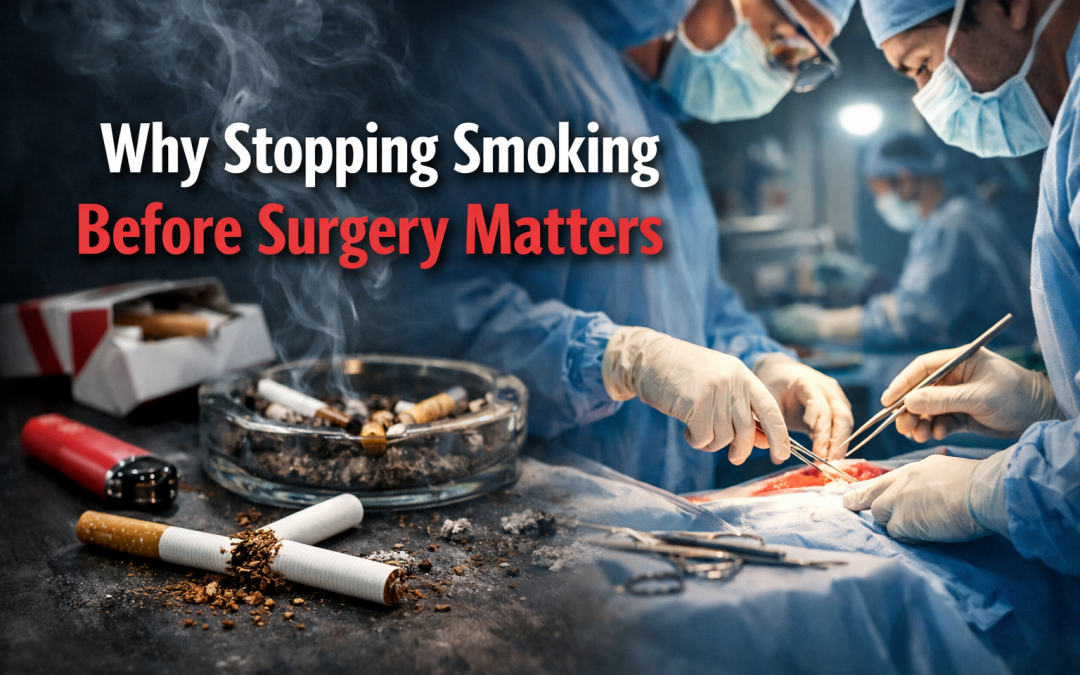
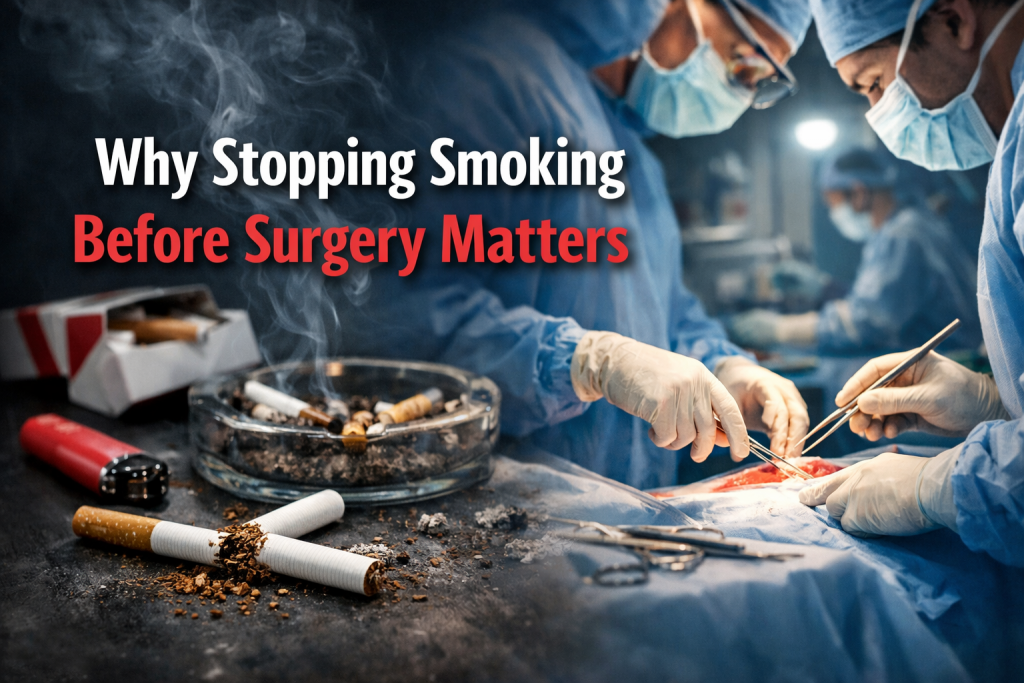
Preparing for surgery involves more than choosing a date and planning your recovery. One of the most important steps you can take to support your healing is stopping smoking – including cigarettes, vapes, and all nicotine‑containing products. While every surgeon has their own specific requirements, most may recommend stopping at least four weeks before surgery, and ideally much longer. The same guidance applies after your procedure too.
Smoking affects the body in ways that can significantly impact your surgical outcome. Understanding why this matters can help you make informed decisions and give yourself the best chance of a smooth, safe recovery.
How Smoking Affects Your Body During Surgery
Nicotine and the chemicals found in cigarettes and vaping products can interfere with several key processes your body relies on to heal. These effects include:
Reduced blood flow – Nicotine causes blood vessels to narrow, limiting the oxygen and nutrients that reach your tissues. This slows healing and increases the risk of complications. Higher risk of wound problems – Smokers are more likely to experience delayed wound healing, wound breakdown, or infections.
Increased risk of complications – Issues such as skin loss, poor scarring, and necrosis are more common in people who smoke.
Impact on anaesthesia – Smoking can affect lung function, making anaesthesia and recovery from it more challenging.
These risks apply whether you smoke traditional cigarettes, vape, or use nicotine replacement products. Even “light” or occasional smoking can have an impact.
Why Surgeons Ask for a Minimum Stop Period
Most surgeons may recommend stopping smoking at least four weeks before surgery, though many prefer longer. This timeframe gives your body a chance to:
Improve circulation Increase oxygen levels Strengthen the immune system Reduce inflammation Begin repairing the effects of nicotine
Stopping earlier than four weeks – even eight to twelve weeks – can offer even greater benefits and reduce the likelihood of complications.
Why Staying Smoke‑Free After Surgery Is Just as Important
The healing process doesn’t end once you leave the operating theatre. Your body continues repairing tissues for weeks and months after surgery. Continuing to smoke during this time can:
Slow down wound healing Increase the risk of infection Affect the quality of your scars Increase the chance of needing revision surgery
Remaining smoke‑free for at least four weeks after surgery is strongly advised, though longer is always better for your long‑term results.
What Counts as “Smoking” or “Nicotine Use”?
Many people assume vaping or nicotine replacement products are safer around surgery, but they still contain nicotine, which affects blood flow and healing. Surgeons typically include the following under “no nicotine” guidance:
Cigarettes Vapes and e‑cigarettes Nicotine pouches Nicotine gum or patches Shisha Cigars
If you’re unsure whether something is safe, your surgical team can advise you.
How to Prepare for Surgery if You Smoke
Stopping smoking can be challenging, but support is available. Many people find it easier when they:
Set a clear quit date Use non‑nicotine stop‑smoking aids (if approved by their GP) Seek support from NHS stop‑smoking services Tell friends and family so they can help Remove triggers such as lighters or ashtrays
Your surgical team may also ask for a nicotine test before your procedure (or on the day of surgery) to ensure your body is in the best possible condition for healing.
Giving Yourself the Best Chance of a Smooth Recovery
Stopping smoking before and after surgery is one of the most effective ways to protect your health, reduce complications, and support the best possible outcome. While each surgeon may have slightly different requirements, the message is consistent: the longer you stay smoke‑free, the better your healing and results are likely to be.
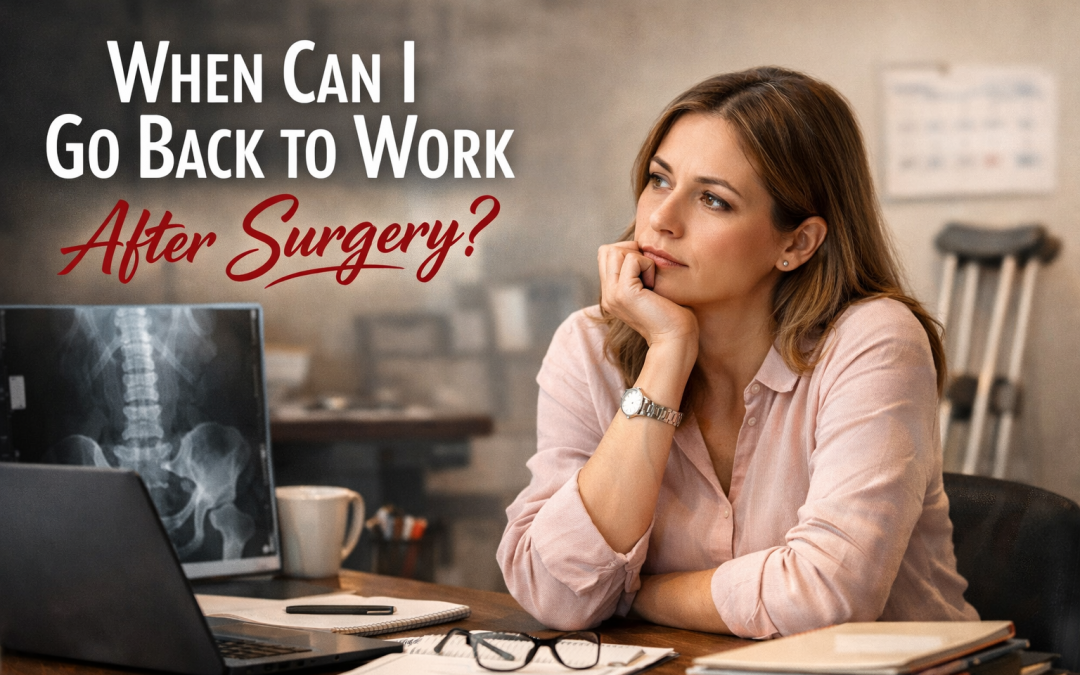
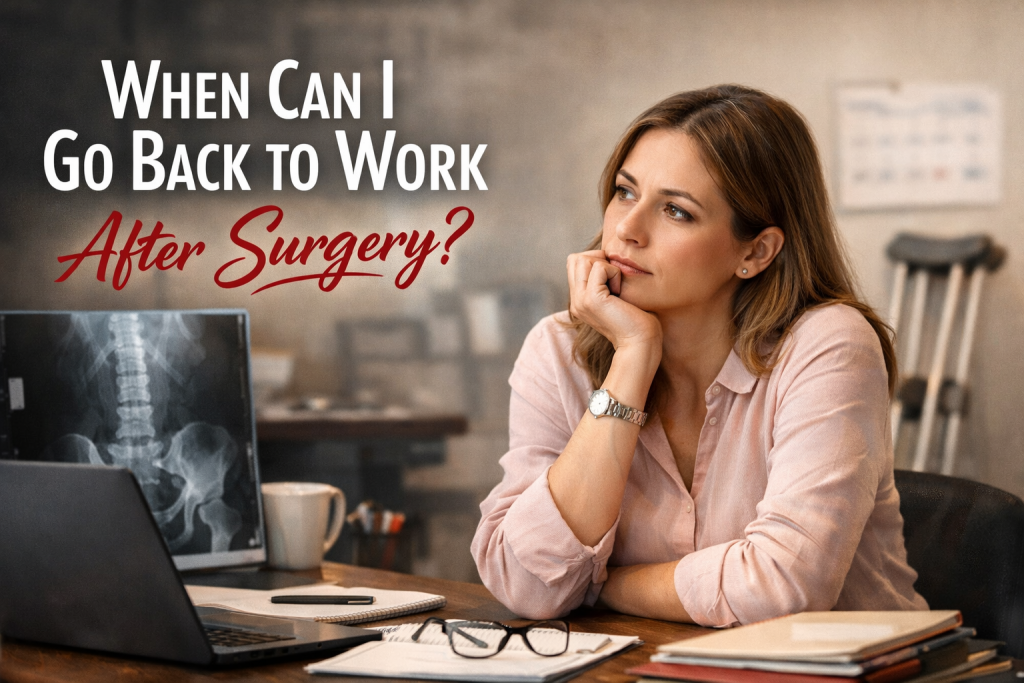
Planning time off work is one of the biggest practical questions people have when preparing for cosmetic surgery. While every recovery is unique, having a clear idea of what to expect can help you feel more prepared, more confident, and less stressed in the lead‑up to your procedure.
Below is a general guide to returning to work after some of the most common procedures – along with the factors that can influence your timeline.
Why Recovery Times Vary
Your return‑to‑work timeframe depends on several things:
The type of procedure Some surgeries involve deeper tissues or larger areas of the body, which naturally require more healing time.
Your job role – A desk‑based job allows for an earlier return than a role involving lifting, physical activity, or long periods on your feet.
Your individual healing Everyone recovers differently. Age, general health, and how closely you follow aftercare advice all play a part.
Whether you work from home With remote and hybrid working now common, many patients can return sooner if they’re comfortable and able to rest between tasks.
Your surgeon will always give you personalised guidance based on your procedure and lifestyle.
Typical Return‑to‑Work Timelines
These are general estimates – your own surgeon’s advice should always take priority.
Breast Augmentation
Desk‑based work: 1–2 weeks
Active/manual work: 3–6 weeks You may feel tightness or pressure in the chest for the first couple of weeks, so gentle movement and avoiding heavy lifting is important.
Breast Reduction or Uplift
Desk‑based work: 2–3 weeks
Active/manual work: 4–6+ weeks These procedures involve more tissue work, so giving yourself enough time to heal is key.
Tummy Tuck (Abdominoplasty)
Desk‑based work: 3–4 weeks
Active/manual work: 6–8+ weeks This is one of the more intensive recoveries. You’ll need to avoid stretching, lifting, and strenuous activity for several weeks.
Liposuction
Desk‑based work: 3–7 days (depending on areas treated)
Active/manual work: 2–3 weeks Bruising and swelling are normal, and compression garments are usually required.
Eyelid Surgery (Blepharoplasty)
Desk‑based work: 5–7 days
Active/manual work: 2–3 weeks Bruising can last up to two weeks, so some patients prefer to wait until it settles.
Facelift
Desk‑based work: 2–3 weeks
Active/manual work: 4–6 weeks Swelling and bruising can take time to settle, and you’ll want to feel comfortable being seen by colleagues.
Working From Home: A Helpful Middle Ground
Many patients now choose to return to work earlier if they can work remotely. This allows you to:
Take breaks when needed
Avoid commuting
Stay comfortable in your home environment
Reduce pressure to look “fully recovered” straight away
If you have the option, it can make the transition back to work much smoother.
Tips for a Smooth Return
Follow your aftercare instructions carefully They’re designed to protect your results and your health.
Listen to your body If you feel tired or sore, rest. Healing isn’t something you can rush.
Communicate with your employer You don’t need to share personal details – simply let them know you’ll need a phased return or temporary adjustments if required.
Plan ahead Arrange childcare, transport, and household help where possible to reduce strain during the early recovery period.
Final Thoughts
Returning to work after surgery is a personal decision, and there’s no one‑size‑fits‑all answer. Your surgeon and clinical team will guide you based on your procedure and your lifestyle, ensuring you feel supported every step of the way.
If you’re considering surgery and want tailored advice about recovery and time off work, our team is always here to help.
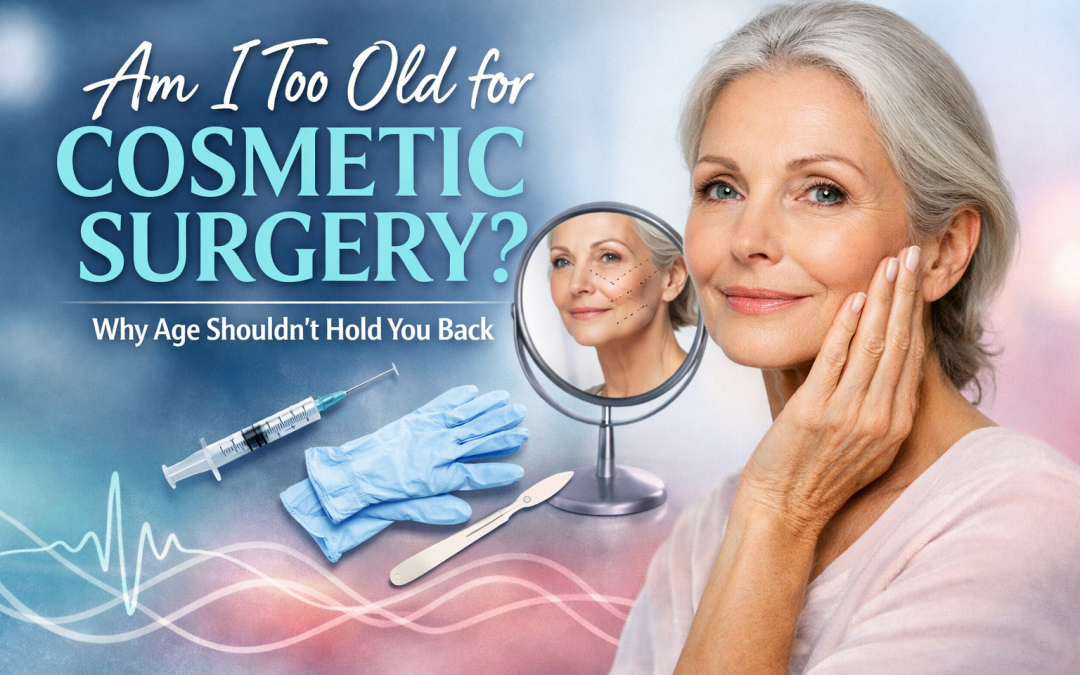
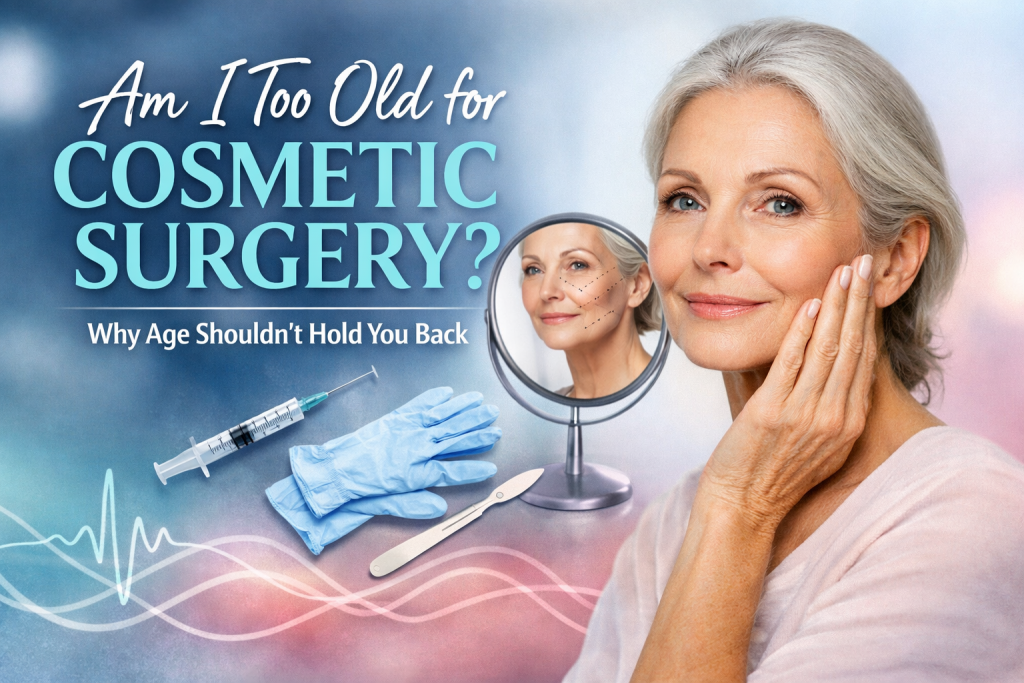
We recently received a call from a lovely woman who asked a question we hear more often than you might think: “Am I too old for surgery at 44?”
The simple answer is no – not at all.
At Red Rose Desire, we regularly support women in their 40s, 50s, 60s and even 70s who choose to have cosmetic surgery for their own personal reasons. Everyone’s journey is different, and age alone should never be the thing that stops you from exploring what feels right for you.
Age Isn’t the Deciding Factor – You Are
Cosmetic surgery isn’t about being a certain age; it’s about how you feel, what you’d like to improve, and whether the procedure is suitable for your health and goals. Many of our mature patients tell us they finally have the time, confidence, or financial freedom to do something for themselves – and they deserve that just as much as anyone else.
We treat every patient as an individual. There’s no “ideal age” and no one‑size‑fits‑all approach. What matters is your wellbeing, your expectations, and what you hope to achieve.
What Happens in a Consultation
If you’re unsure whether a procedure is right for you, a consultation is the best place to start. During this appointment:
You meet directly with one of our surgeons
You’ll talk openly about your goals, concerns, and what you’re hoping to change.
The surgeon will assess your suitability and explain the safest, most effective options for your body and your stage of life.
You’ll also be shown before‑and‑after images of real patients, including women of similar ages, so you can understand what’s achievable.
It’s a relaxed, informative conversation, not a sales pitch.
A No‑Pressure Experience From the Very First Enquiry
We know that considering surgery is a big decision. That’s why we never rush, push, or hound anyone. Whether you simply want information, need time to think, or feel ready to take the next step, we’re here to support you at your pace.
Your Age Doesn’t Define Your Confidence
If you’ve been wondering whether you’re “too old” to make a change, let this be your reassurance: confidence has no age limit. If something is bothering you and you’re curious about your options, you’re never too old to explore them.
You deserve to feel comfortable, confident, and happy in your own skin – at any age.
To provide the best experiences, we use technologies like cookies to store and/or access device information. Consenting to these technologies will allow us to process data such as browsing behaviour or unique IDs on this site. Not consenting or withdrawing consent, may adversely affect certain features and functions.
Functional
Always active
The technical storage or access is strictly necessary for the legitimate purpose of enabling the use of a specific service explicitly requested by the subscriber or user, or for the sole purpose of carrying out the transmission of a communication over an electronic communications network.
Preferences
The technical storage or access is necessary for the legitimate purpose of storing preferences that are not requested by the subscriber or user.
Statistics
The technical storage or access that is used exclusively for statistical purposes.The technical storage or access that is used exclusively for anonymous statistical purposes. Without a subpoena, voluntary compliance on the part of your Internet Service Provider, or additional records from a third party, information stored or retrieved for this purpose alone cannot usually be used to identify you.
Marketing
The technical storage or access is required to create user profiles to send advertising, or to track the user on a website or across several websites for similar marketing purposes.